Anaesthesia-induced anaphylaxis: definition, triggers and treatment
Anaesthesia-induced anaphylaxis is a severe allergic reaction occurring during or shortly after the induction of anaesthesia; typical triggers include muscle relaxants and propofol.
Anaphylaxis under anaesthesia:
Anaesthesia-related anaphylaxis is a severe, acute allergic overreaction of the immune system that occurs during or immediately after the induction of anaesthesia. Common triggers include muscle relaxants, propofol and natural latex. Without immediate treatment with adrenaline (epinephrine), the reaction can become life-threatening.
Table of Contents
Important note
This article is for information purposes only and is not a substitute for a medical diagnosis or advice. If you are unsure, or if you require a personalised treatment plan, it is essential that you consult a qualified specialist.
Anyone planning cosmetic surgery rarely thinks first of all about allergic reactions to anaesthesia, yet perioperative anaphylaxis is one of the rare but serious complications that can affect any procedure carried out under general anaesthesia. Under anaesthesia, the reaction is more difficult to detect than when the patient is awake, which is why the anaesthesia team relies on specific monitoring indicators. Understanding what happens in the body, which substances carry risks and how doctors proceed provides you, as a patient, with a reliable basis for the consultation before your procedure.
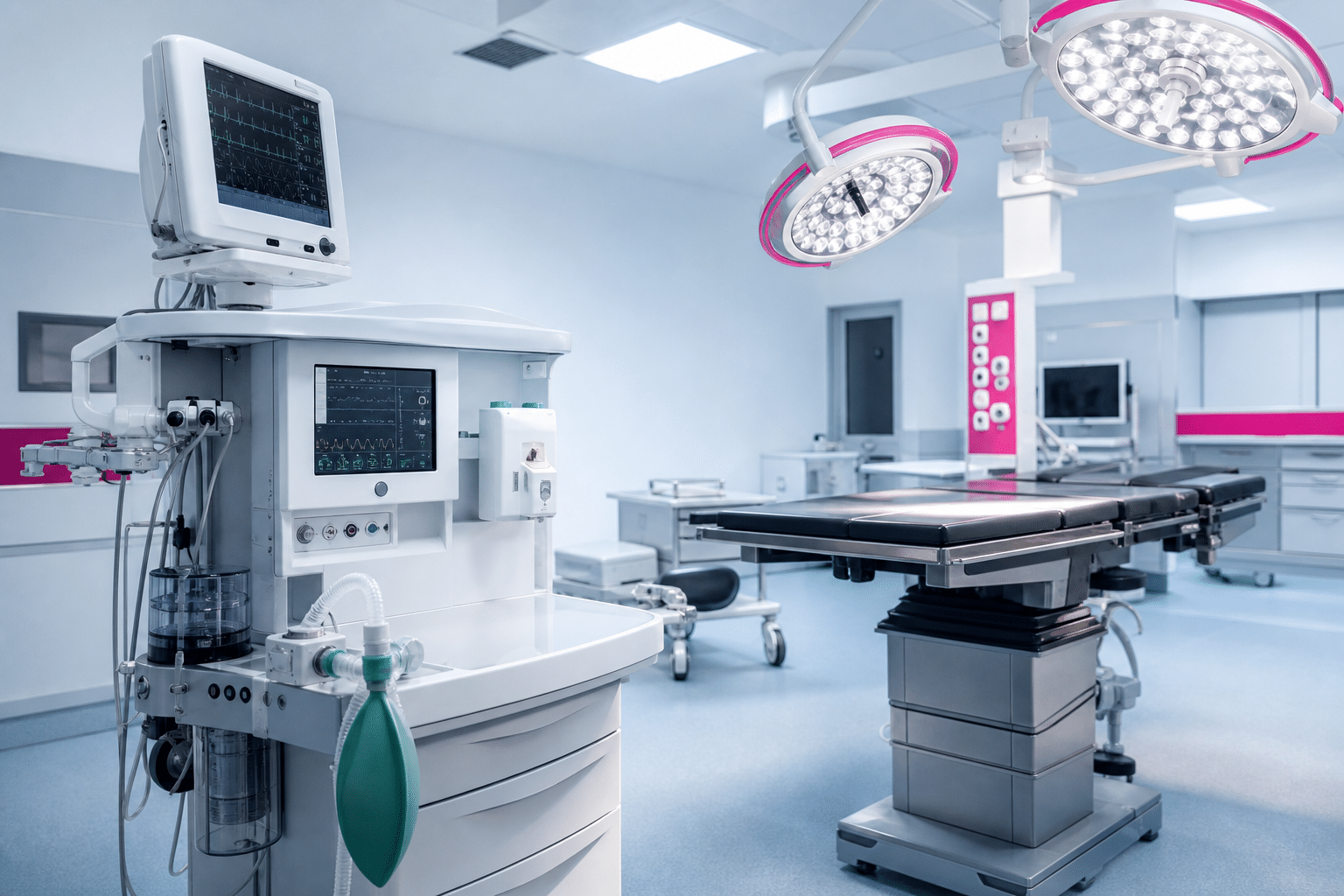
Triggers: Which substances can trigger anaphylaxis during anaesthesia?
Key points at a glance
- Muscle relaxants are the most common cause of perioperative anaphylaxis
- Propofol, natural latex, antibiotics and X-ray contrast media are further risk factors
- Known allergies and allergic diathesis increase the risk — always inform the medical team before the operation
- Incidence: estimated at 1 in 10,000 to 1 in 20,000 anaesthetic procedures
Muscle relaxants — Medicines that relax the muscles during anaesthesia — are considered the most common cause of severe anaphylactic reactions in the operating theatre. This group includes substances such as succinylcholine and rocuronium. Some of those affected have never previously been exposed to these active substances and nevertheless develop an allergy the first time they are administered. There is ongoing discussion regarding cross-reactive sensitisation via structurally similar everyday substances such as shampoos or cough medicines.
An overview of common triggers of perioperative anaphylaxis — guideline values based on clinical study data, as at July 2026
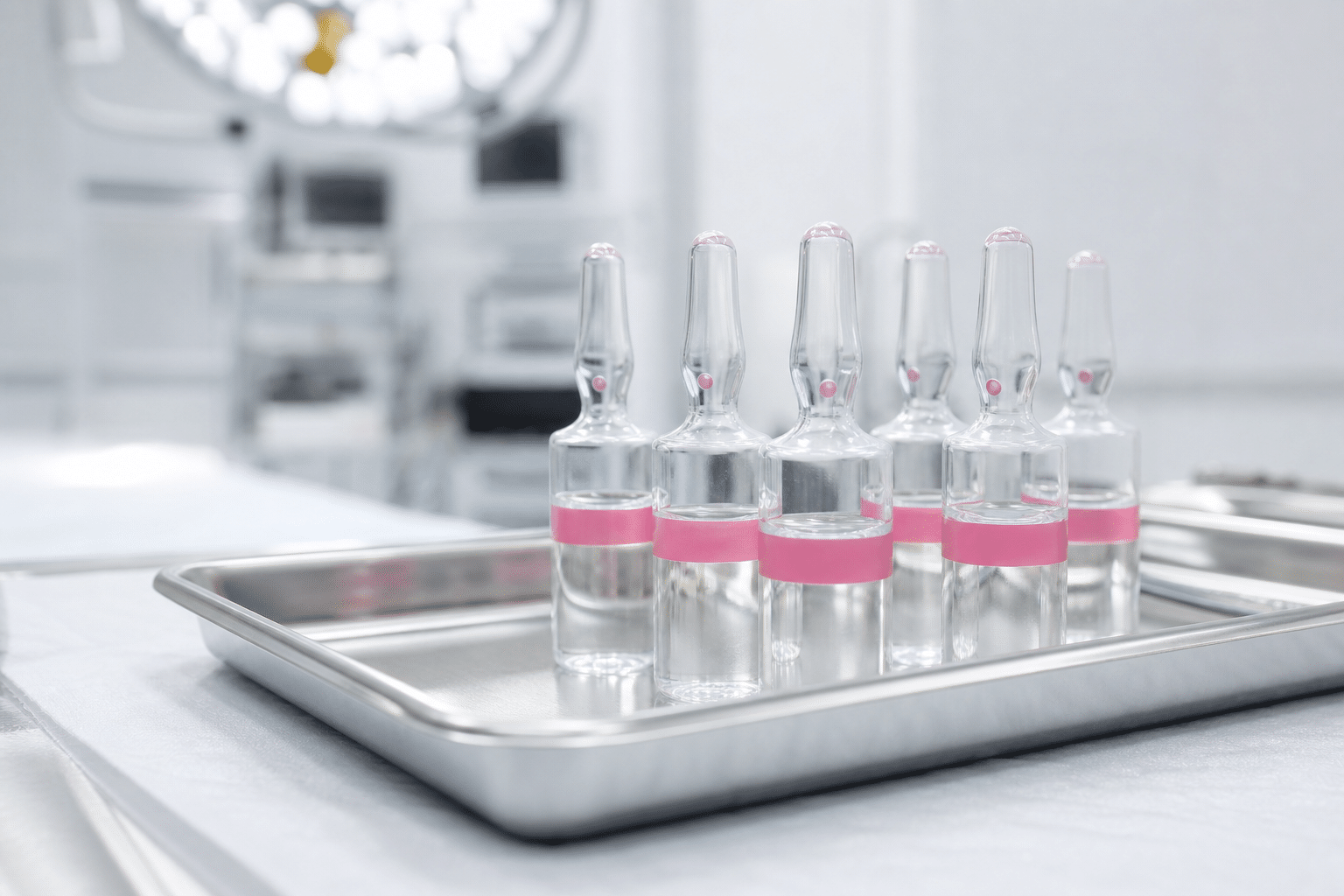
Propofol is one of the most commonly used induction agents in anaesthesia. Anaphylactic reactions to propofol are rare but have been documented. A possible link has been discussed, particularly in children with a known chicken egg white allergy, as the drug contains a carrier system based on soya oil and egg lecithin. Whether an existing egg allergy constitutes an independent risk has not been conclusively proven scientifically. Anaesthetists clarify this during the pre-operative consultation.
Natural latex This is particularly the case for children with congenital malformations who undergo early and repeated surgery and thus become sensitised through contact with latex. Adults who regularly wear latex gloves as part of their work — for example, in the healthcare sector — can also develop a latex allergy. A latex-free surgical environment is therefore now standard practice in many hospitals.
An overview of other triggers
In addition to muscle relaxants, propofol and latex, antibiotics used perioperatively (particularly penicillins and cephalosporins), X-ray contrast media and colloidal volume expanders (e.g. gelatine solutions) can trigger anaphylaxis. According to the AWMF S2k guideline on the acute treatment and management of anaphylaxis (2021), a specific post-event diagnostic procedure is recommended for each of these groups of substances.
| Trigger | Mechanism | Distinctive feature |
|---|---|---|
| Muscle relaxants | IgE-mediated (Type I reaction) | Most common cause; may also occur on first contact |
| Propofol | IgE-mediated / direct histamine release | Carrier substance consisting of lecithin and soya oil |
| Natural latex | IgE-mediated | Particularly in the case of children who have undergone multiple operations |
| Antibiotics | IgE-mediated (penicillins, cephalosporins) | Prior exposure is often necessary |
| Colloidal volume expanders | Direct histamine release / IgE | Gelatine, dextranes |
Symptoms of an anaphylactic reaction under general anaesthesia
Key points at a glance
- Classic warning signs such as itching or anxiety remain hidden under general anaesthesia
- Recognisable symptoms: drop in blood pressure, rapid heartbeat, bronchospasm, skin redness
- Symptoms may occur in isolation — which makes early diagnosis difficult
- Most severe form: anaphylactic shock with circulatory failure
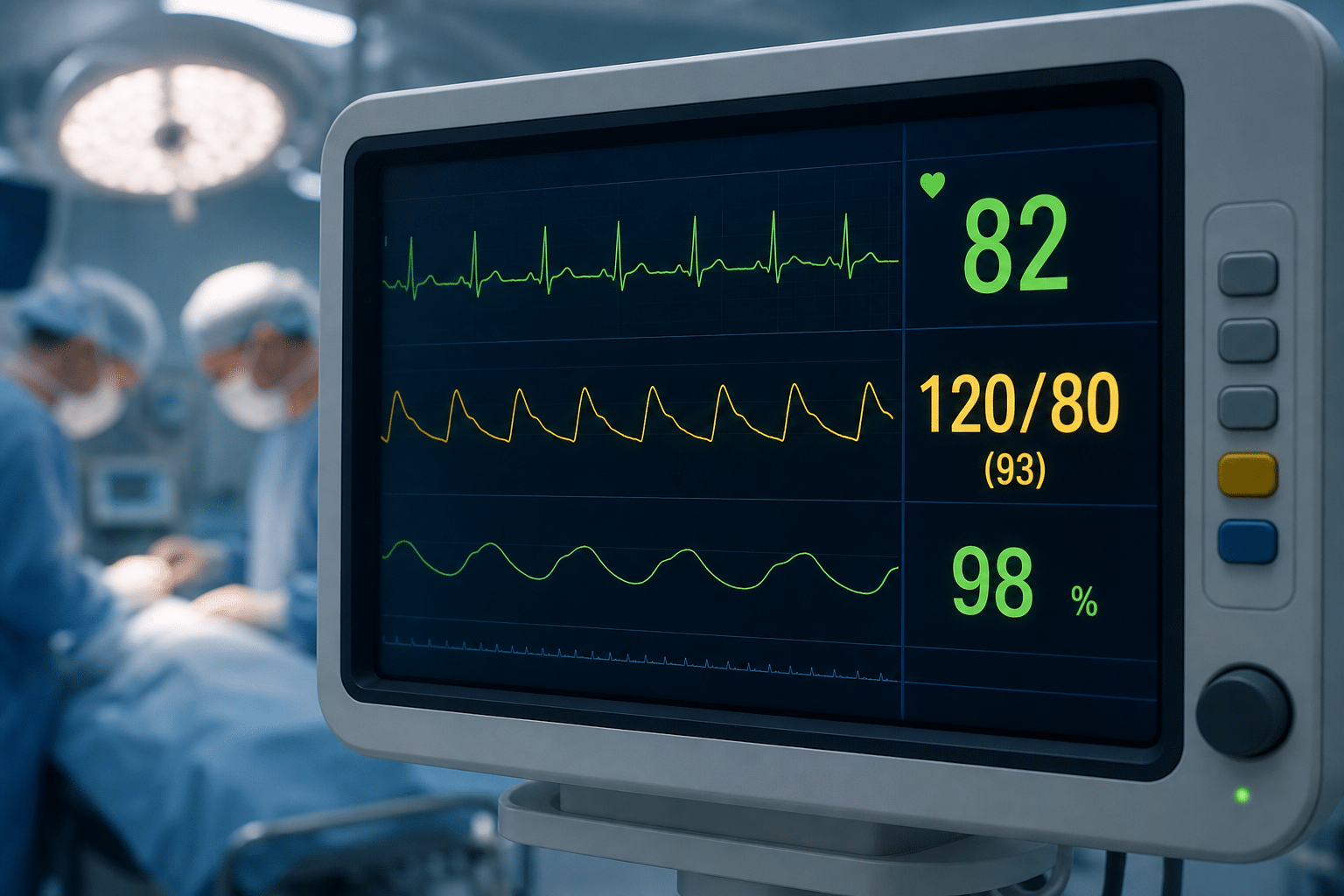
Perioperative anaphylaxis behaves fundamentally differently from an allergic reaction in everyday life. Anyone who is awake may experience itching, a sensation of warmth on the skin or shortness of breath, and can report this to the doctor. Under general anaesthesia, these subjective signals are completely absent. The anaesthesia team therefore detects anaphylaxis solely through monitoring readings and visible physical signs.
Circulation
A sharp drop in blood pressure (hypotension), a racing heart (tachycardia); in severe cases, bradycardia and cardiac arrest
Respiratory tract
Bronchospasm (spasms of the bronchial muscles), difficulty breathing, increased ventilation pressure
Skin
Urticaria (hives), flushing (widespread reddening of the skin), angioedema; not always visible under sterile drapes
Mucous membranes
Swelling of the mucous membranes in the mouth and throat, making intubation difficult
Classification of anaphylaxis by severity
Anaphylactic reactions are clinically classified into four severity grades. Grade I comprises mild skin symptoms without any further involvement. Grade II is characterised by additional cardiovascular and respiratory involvement. Grade III involves severe hypotension, bronchospasm and impending shock. Grade IV is defined as respiratory and cardiac arrest. Most perioperative reactions requiring treatment reach Grade II or III. The team’s swift action is crucial to the outcome.
Important to know:
Symptoms may also occur in isolation or with a delay. A sudden, unexplained drop in blood pressure during the induction phase of anaesthesia is always a warning sign, even if no skin signs are visible.
Emergency treatment: What happens if anaphylaxis occurs during anaesthesia?
Key points at a glance
- Stopping the trigger immediately is the first and crucial step
- Intravenous adrenaline (epinephrine) — the treatment of choice according to the AWMF S2k guideline
- Volume therapy stabilises the circulation
- Antihistamines and glucocorticoids are used to complement acute treatment
Immediate treatment for anaphylaxis during anaesthesia follows a set step-by-step protocol. According to the AWMF S2k Guideline on the Acute Treatment and Management of Anaphylaxis (2021), as set out by the German Society for Allergology and Clinical Immunology (DGAKI), there is a clear treatment pathway. Experience has shown that the first two minutes are crucial to the subsequent course of events — any delay in administering the adrenaline dose significantly increases the risk of prolonged circulatory failure.
Any substances that may be triggering the reaction are discontinued immediately. These include ongoing infusions of muscle relaxants, propofol or antibiotics. Latex materials are removed from the patient’s immediate vicinity.
- Interrupt the supply of anaesthetic
- Removing latex material
- Stop the ongoing antibiotic infusion
Adrenaline (epinephrine) is the only first-line treatment for severe anaphylaxis. When administered intravenously, it causes vasoconstriction, acts as a bronchodilator and stabilises circulation.
- Intravenous administration is preferred in the operating theatre
- Early treatment is crucial to the outcome
- No delay caused by anti-allergy medication
In the event of bronchospasm or laryngeal oedema, the airway must be secured. Oxygen administration at 100 % is initiated. If necessary, intubation or further airway management is carried out.
- 100 % O² supply via ventilator
- Treatment of bronchospasm with bronchodilators
- Secure the airway in the event of oedema
A massive loss of fluid into the tissues results in a relative volume deficit. Crystalloid solutions are administered rapidly to stabilise blood pressure.
- Rapid infusion of crystalloid solutions
- Positioning: Elevate the legs in cases of hypotension
- Close monitoring of circulation
Only once the patient’s condition has been stabilised with adrenaline and fluid replacement are H1 antihistamines and glucocorticoids administered. These suppress the ongoing immune response, but do not replace adrenaline.
- H1 – Intravenous antihistamines
- Glucocorticoids for immunomodulation
- Followed by intensive care monitoring
Source: AWMF S2k guideline „Acute treatment and management of anaphylaxis“, 2021 update. This information is intended for patients and is not a substitute for professional medical advice.
Why give adrenaline first, rather than an antihistamine?
Antihistamines block histamine receptors, but have no effect on life-threatening circulatory collapse or bronchospasm. Adrenaline is the only medicine that treats circulatory failure, bronchospasm and the release of further mediators simultaneously. The AWMF guideline states this clearly: Adrenaline is the first-line treatment for anaphylaxis, without exception. Antihistamines and glucocorticoids are adjuncts, not alternatives.
Information for patients:
Before any procedure, inform the anaesthetist of any known allergies — including food allergies and intolerances to cosmetics or disinfectants. Chlorhexidine, a common disinfectant used in operating theatres, has also been documented as a trigger for anaphylaxis.
Allergy testing following an anaphylactic episode
Key points at a glance
- Following an anaphylactic reaction during anaesthesia, a consultant allergist must be consulted
- Timeframe for skin testing: 4–6 weeks after the incident
- RAST test (measurement of specific IgE in the blood) as a supplementary procedure
- Conclusion: An anaesthesia certificate provides protection for all subsequent procedures
Allergy testing following an anaphylactic reaction is not an optional step — it is medically necessary. Without such testing, it remains unclear which substance triggered the reaction. The same substance could be used again during a subsequent procedure, with even more serious consequences.

RAST test and skin testing: How the diagnostic process works
The RAST test (Radio-Allergo-Sorbent Test) measures substance-specific IgE antibodies in the blood. The results provide indications of IgE-mediated sensitisation, but do not in themselves definitively rule out or confirm an allergy. Therefore, following the RAST, the Skin testing by a doctor specialising in allergy: a prick test and an intradermal test using the substances employed in the operating theatre directly determine whether a hypersensitivity reaction is present.
The best time to carry out these tests is 4–6 weeks after the incident. If the test is carried out too early, mast cell capacity may still be depleted — which could result in a false-negative result. If it is carried out too late, sensitisation may have subsided. Centres with expertise in allergy therefore recommend booking an appointment as soon as possible after the operation.
The anaesthesia certificate: cover for all subsequent procedures
The results of the allergy tests are incorporated into the Anaesthesia certificate a — a document that the patient carries with them and which should be presented at every subsequent medical procedure. The card sets out which substance(s) have been identified as triggers and which alternatives are recommended for the next anaesthetic. Anaesthesia cards are issued by the treating allergist or the anaesthesia team and provide protection not only during cosmetic surgery but during any surgical procedure — from dental treatment to inpatient surgery.
Good to know:
Anyone with a known allergic predisposition — a personal or family history of allergies, asthma or atopic dermatitis — should inform the anaesthesia team of this before the procedure. Such patients are at increased risk of perioperative hypersensitivity reactions, even if no specific drug allergy is yet known.
The financial implications of cosmetic surgery: Who covers the costs?
If anaphylaxis occurs during anaesthesia in the course of cosmetic surgery, this results in significant follow-up costs: a stay in intensive care, further operations or the correction of an incompletely performed procedure must be paid for. This is already stressful enough from a medical point of view — financial worries should not be added to the mix.
In the case of privately funded cosmetic procedures, statutory health insurance does not cover follow-up treatment, or covers it only to a very limited extent. Cosmetic surgery is regarded as an elective procedure that is not medically necessary. If complications arise — whether due to perioperative anaphylaxis, a wound healing disorder or another unforeseen reaction — patients without specific cover can quickly find themselves facing a considerable financial burden.
One Consequential Costs Insurance greift genau in diesem Moment. Sie deckt medizinisch notwendige Folgebehandlungen ab, die durch den versicherten Eingriff entstehen, unabhängig davon, ob jemand dafür verantwortlich ist. Bei 4beauty ist der Versicherungsschutz für eine Vielzahl kosmetischer Eingriffe verfügbar, von der Liposuktion bis zur Augenlidkorrektur. Der Abschluss ist online möglich, noch bis 24 Stunden vor dem Eingriff.
Anaphylaxis during anaesthesia is rare, but cannot be predicted. Protect yourself against the financial consequences of unexpected complications — with follow-on costs insurance from €35 per year.
Frequently asked questions about anaphylaxis during anaesthesia
Perioperative anaphylaxis is rare — its incidence is estimated to be between 1 in 10,000 and 1 in 20,000 anaesthetic procedures. Nevertheless, it is regarded as one of the most potentially life-threatening complications in anaesthesia, because classic warning signs are absent under general anaesthesia and the reaction may be recognised too late. Experienced anaesthesia teams are prepared for this scenario and have emergency protocols in place.
Muscle relaxants are considered to be the most common cause of perioperative anaphylactic reactions. In addition, propofol, natural latex (from gloves or catheters), antibiotics (particularly penicillins and cephalosporins) and X-ray contrast media can also be triggers. The disinfectant chlorhexidine has also been documented as a trigger. Allergy testing carried out after the event determines which substance is responsible in each individual case.
An allergy refers to an excessive reaction of the immune system to a foreign antigen. Anaphylaxis is the most severe form of this allergic reaction — a systemic, acute, life-threatening overreaction that affects several organ systems simultaneously. Whilst a mild allergy manifests as a skin rash, anaphylaxis is characterised by rapid circulatory collapse, bronchospasm and potential loss of consciousness.
A routine allergy test prior to every anaesthesia is neither standard practice nor advisable, as the choice of substances is only finalised shortly before the procedure. However, anyone with a known allergy to medication, latex or disinfectants should discuss this with the anaesthetist during the pre-medication consultation. The team can then select alternative substances or arrange for enhanced monitoring in high-risk patients. People who have previously experienced perioperative anaphylaxis must present their anaesthesia card before any further procedure.
In the case of cosmetic procedures paid for privately, statutory health insurance either does not cover any resulting follow-up treatment, or only covers it to a very limited extent. If anaphylaxis occurs, leading to a stay in intensive care, follow-up operations or corrective measures, this can result in substantial costs. A Consequential Costs Insurance covers precisely this financial risk — transparently, without red tape, and available from as little as a one-off annual premium.